

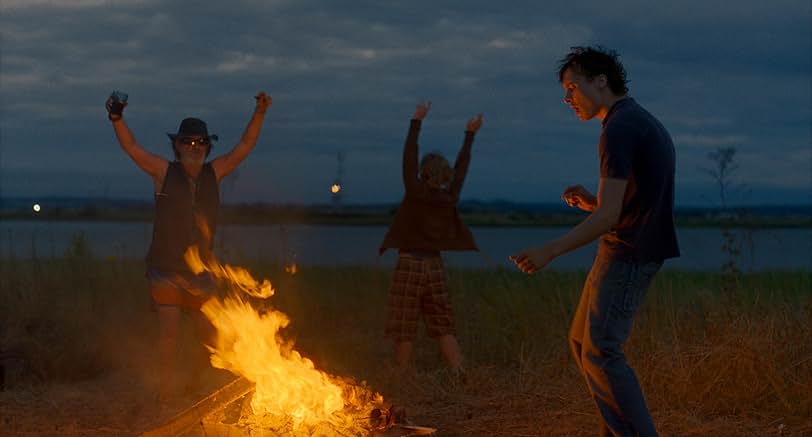
Urchin follows a young addict living on the streets of London who is offered a chance at recovery. What begins as a possible path toward redemption slowly turns into something darker and more uncertain. The film does not treat recovery as a clean or hopeful journey. Instead, it shows how fragile progress can be, and how easily the past pulls someone back in.
The story feels raw and restless. It moves between moments of hope and relapse, connection and isolation. The film is less interested in clear answers and more focused on the feeling of being trapped inside your own cycles. London itself feels cold and distant, mirroring the inner state of the main character.
Frank Dillane gives a strong and committed performance. He plays the character with nervous energy and emotional instability, making him difficult but believable. His performance carries much of the film and keeps it grounded, even when the story drifts into more abstract territory.
The film is directed by Harris Dickinson, and you can feel the personal touch behind the camera. The direction is intimate and sometimes messy, but that messiness feels intentional. It reflects the confusion and lack of structure in the character’s life. As a debut, it shows confidence and a clear point of view.
Critics responded with interest rather than full praise. Many admired the honesty, the lead performance, and the refusal to romanticize addiction. Others felt the film was uneven or too loose in its storytelling. For me, Urchin is not always easy to follow, but it feels sincere. It is a rough, imperfect film, but one that feels real rather than calculated.
I personally loved it. It is a film full of heart and full of life. Despite its rough edges and moments of chaos, it feels deeply sincere. There is pain in it, but also warmth, humor, and humanity. It never judges its character, and it never looks down on him. Urchin feels alive in a way many safer films do not, and that honesty is what made it really stay with me.