

Peaky Blinders:
The Immortal Man
The last time we saw Tommy Shelby, he was riding a white horse into the sunset, coughing up tuberculoma, and apparently at peace with the world. It was a fitting, elegiac ending — flawed but earned after six seasons of magnificent, exhausting drama. That was 2022. Then Netflix got involved, and now here we are.
What it is about
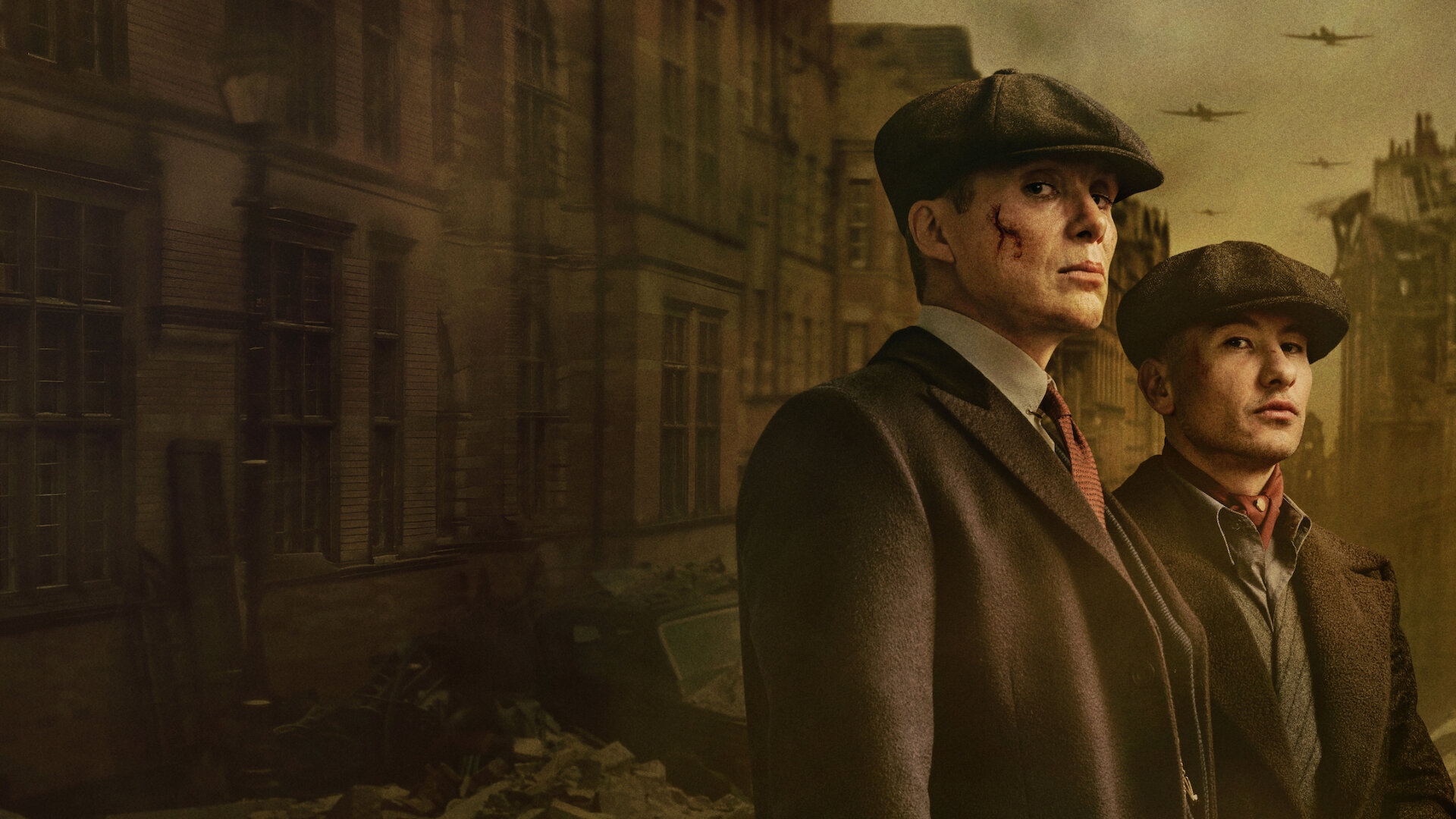
Birmingham, 1940. The Blitz is tearing the city apart and Tommy Shelby is living in isolated, haunted retirement — writing his memoirs, tormented by visions of his dead daughter Ruby, company only from loyal Johnny Dogs. Then Ada arrives with news: his son Duke has gotten the Peaky Blinders tangled up in a Nazi counterfeiting plot. Seventy million pounds in fake British currency, designed to collapse the UK economy from within. Tommy, who has specifically decided to be done with all of this, reluctantly straps the flat cap back on.
The setup is serviceable. WWII-era Birmingham is visually competent and Tom Harper directs with a steady enough hand. When the film remembers what made the show great, it briefly catches fire.
"While Steven Knight lands the plane the way certain characters enter and depart, this one-off film appeals to the worst tendencies of television movies along with a trying first half that struggles to juggle what it is trying to set up for a satisfying second half."
The Next Best PictureWhat works
Cillian Murphy. That is genuinely the full list. The man is extraordinary — quiet, weathered, still capable of making a single look feel like a full monologue. His Tommy Shelby is older, broken in ways the show only hinted at, and Murphy plays every second of that with complete commitment. He finds new emotional layers in a character who, by all rights, should have become a caricature three seasons ago.
The final twenty minutes deliver a conclusion that lands with genuine weight. Tommy Shelby's death — at his own request, shot by his son — is earned and moving. If you came for closure, you receive it. Murphy makes sure of that entirely by himself.
Let's be direct: no one asked for this film. The Season 6 finale of Peaky Blinders was not perfect — it was rushed and left threads dangling — but it concluded Tommy Shelby's story. He had his moment on that horse. The show had its ending.
What The Immortal Man is, when you strip away the tweed and the Nick Cave needle drops, is a franchise maintenance exercise. It exists partly to give closure to fans disappointed by Season 6, and primarily to launch Duke Shelby as the new lead of a spinoff series already in development. The film spends 90 minutes killing off the old generation to install a new one. Tommy Shelby dies so that the Peaky Blinders brand can continue.
We are so tired of this. We are exhausted by sequels nobody requested, prequels designed to milk nostalgia, and cinematic universe expansions that exist not because there is more story to tell but because there is more money to make. The show ended. Tommy got his horse. Let the man rest.
Where it falls short
The villain is a significant problem. Tim Roth's Nazi agent John Beckett is introduced, established, and dispatched within 112 minutes, and the film never finds a reason to care about him beyond the plot mechanics he enables. Compare him to Tom Hardy's Alfie Solomons or Sam Neill's Chester Campbell — characters who felt like they existed outside the scenes they appeared in. Beckett exists purely to be defeated.
Notable absences from the original cast are felt throughout and never adequately addressed. Several characters the audience spent years with are simply gone — mentioned once, mourned briefly, moved past. The emotional connective tissue of the show has been severed.
There is also a subplot involving Romani mysticism and a twin sister that feels like it arrived from a completely different, stranger film. One that might, frankly, have been more interesting than this one.
A word on Barry Keoghan
Barry Keoghan has recently been in the headlines saying he is tired of bullies criticising his looks. A fair and understandable frustration — and we will not be commenting on his appearance. We will however gently note that his performance as Duke Shelby is a separate matter entirely, and leave it at that.
By the numbers
The real issue: enough sequels
Here is what is happening in the entertainment industry and has been for years: everything good gets a sequel, a prequel, a spinoff, a reboot, a limited series revival, and a documentary about the making of the original. Peaky Blinders is simply the latest property to be fed into this machine.
The show was brilliant because Steven Knight built something with a clear arc — Tommy Shelby rising, Tommy Shelby at his peak, Tommy Shelby burning everything to the ground. That arc was complete. What The Immortal Man does is crack it back open, primarily to set up a Duke Shelby spinoff series centred on a character we have spent roughly forty minutes with across the entire franchise.
The critics love it at 92% on Rotten Tomatoes. The audience is split. We are firmly in the latter camp. Not because the film is incompetent, but because it should not exist. The best thing in it is Cillian Murphy saying goodbye to a character he has already said goodbye to, doing it beautifully, in service of a franchise that will now continue without him.
The Immortal Man is a well-dressed administrative document. It closes Tommy Shelby's story while simultaneously opening a door for whoever comes next, and Cillian Murphy — extraordinary, as always — does not deserve to be the instrument of that transaction.
If you loved Peaky Blinders you will watch this regardless. The ending will move you. Murphy will move you. And then the credits will roll and you will realise you have just watched a two-hour franchise pivot disguised as a conclusion.
Watch it for Murphy. Accept it for what it is. And then, please, by order of the Peaky Blinders, stop making more of these.